1. Make the area safe
Before any work, the area is marked off so no one steps into it by mistake.
Bowling Green, FL · Hardee County
Do not pick it up. If you see a needle, lancet or syringe in Bowling Green, call (877) 812-4220 and let a cleanup team handle the sharps removal, sealed containers and disposal.
If anyone is in danger, call 911 first. For a suicide crisis, call or text 988.
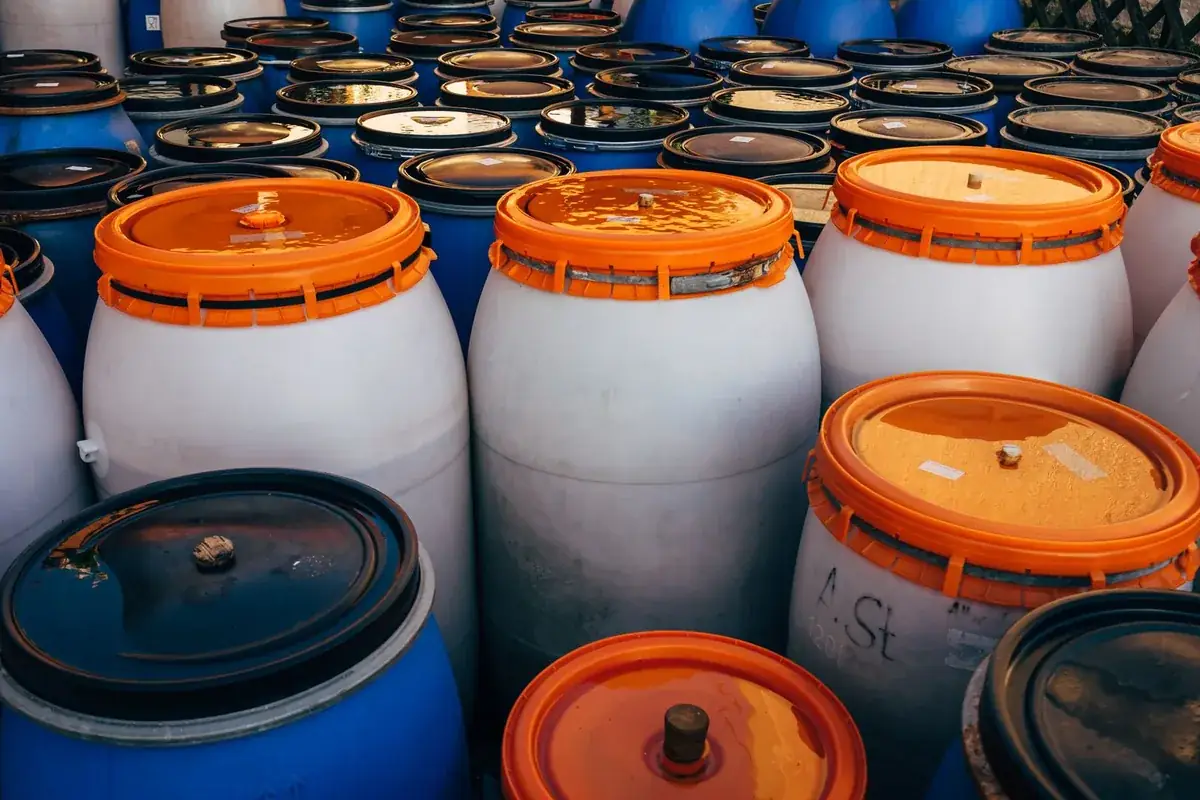
Biohazard sharps removal is more than picking up one needle. It involves sweeping an area, checking furniture and corners, collecting every sharp and confirming nothing is left behind.
With help from Bowling Green Biohazard Cleanup Help, you get a local team in Bowling Green that knows sharps must never be touched barehanded. Crews contain the hazard, haul it away and clean the space across Hardee County.
With a vacancy rate near 17% in Hardee County, many owners check empty properties for sharps before repairs, sales or new tenants. A stick, cut or splash should be checked by a doctor without delay. Adventhealth Wauchula in Wauchula serves people in and around Bowling Green.
What needle & sharps cleanup covers:
Before any work, the area is marked off so no one steps into it by mistake.
Crews check under rugs, inside vents, in pockets of clothes and in other spots where syringes are tucked away.
Sharps are locked in secure containers marked for medical waste.
Containers go to a facility that treats medical waste, and the owner can ask for a record of what was found.
The cost of needle & sharps cleanup in Bowling Green, FL depends on the amount of material, how it is packed and how it is hauled.
Repeat sweeps cost differently from one-time jobs. A property where needles keep appearing may do better with a schedule.
| Type of job | Typical range |
|---|
Published ranges only (); every needle & sharps cleanup job in Bowling Green is priced after an on-site look. Price drivers include number of items, where they are found, whether a sweep of a large area is needed, waste disposal. Questions? Call (877) 812-4220.
Some cities and counties collect found needles from public land at no charge, and many do not. Availability varies. The local health department or public works office can say what exists where you live, and a cleanup team can help with private property.
They can be tucked into couch cushions, mattress seams, drawers, vents and ceiling tiles. That is why a sharps sweep covers more than the floor. Crews check hidden spots with tools and light before declaring a room clear.
No. Recapping or bending a used needle is one of the most common ways people get stuck. Leave it where it is and let a cleanup team lift it with a tool and place it in a container.
It is a rigid, puncture-resistant box with a locking lid, made to hold needles, syringes, lancets and blades. Cleanup teams use them to seal sharps for transport. Containers should not be overfilled or opened again once locked.
A used needle can carry bloodborne pathogens such as hepatitis B, hepatitis C and HIV. The chance of infection from one stick depends on many things, and a doctor can explain what applies. Get medical care promptly after any stick or cut.
Lease terms and local law decide. A landlord, an attorney or a tenant rights group can say who is responsible. In many cases the property owner books the sweep first so the unit can be used again, and the cost is sorted out afterward.
One call can start a sweep for a yard, a rental or a whole building.
Call (877) 812-4220